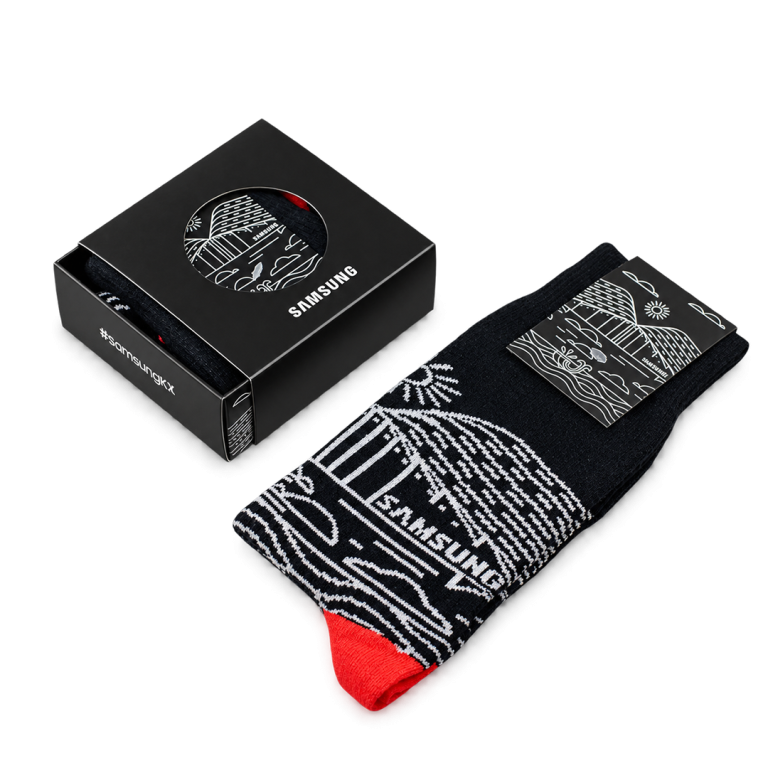
Sustainable sourcing and skin comfort are different considerations when choosing socks. Check the finished product’s fibre content, fit, dyes and finishing treatments, alongside its environmental credentials. No fibre or textile certification guarantees that everyone will tolerate a product.
A GOTS-certified producer can provide evidence within its certified scope. Evaluate environmental claims separately from your personal comfort requirements.

Why Sustainability Matters for Sensitive Feet
Clothing dyes, finishes and rough or tight fabrics can irritate sensitive skin. The American Academy of Dermatology recommends soft, loose cotton clothing for eczema-prone skin and avoiding wool against the skin. Socks still need an appropriate fit. If irritation persists, a dermatologist can help identify the trigger.
What Materials Work Best?
GOTS‑Certified Organic Cotton
GOTS sets organic-fibre, processing, chemical-input and social criteria. It prohibits or restricts specified substances; it is not a guarantee of allergy-free clothing. Cotton may be a useful option, but the finished sock’s blend, seams, elastic, dyes and fit still matter.
Ask for the full fibre composition and current certification scope. A soft cotton sock may still contain other fibres, elastic, dyes or finishing treatments that affect individual comfort.
Recycled Fibres (GRS‑Certified)
Certified recycled fibres, such as cotton, reduce reliance on virgin materials. When blended properly with natural fibres, they maintain their softness while offering environmental benefits.
| Material | Sustainability Credentials | Skin & Environmental Benefits |
|---|---|---|
| Organic Cotton | GOTS-certified, sustainably grown | Soft cotton option; check the complete sock blend and finishing |
| Merino Wool | Renewable | May irritate eczema-prone skin; individual tolerance varies |
| Recycled Fibers | GRS-certified recycled yarn | Eco-efficient; best when blended with natural fibres |
Why Production Method Matters
Zero‑Waste Sock Production
True sustainability goes beyond materials. Factories using zero‑waste sock production recycle yarn remnants to be used in new products, dramatically reducing fabric waste, carbon footprints, and energy use.
GOTS‑Certified Manufacturing
A GOTS-certified sock producer is assessed against the standard’s environmental and social criteria within the certified scope. Ask for the current certificate and product coverage rather than assuming universal chemical-free or medical-safety guarantees.
Traceability & Transparency
Knowing the origin of each component—whether EU-grown cotton or responsibly sourced bamboo- is essential to avoid greenwashing. Certifications, such as GOTS, OEKO-TEX, and GRS, offer traceable and audited assurances.
How to Choose the Right Socks: Buyer’s Guide
- Look for certifications: GOTS, OEKO‑TEX STeP, and GRS are key.
- Choose a fabric you tolerate: soft cotton is often recommended for eczema-prone skin; wool may irritate.
- Prioritise zero-waste producers to reduce ecological impact.
- Demand transparency: traceable sourcing, chemical disclosures.
- Evaluate comfort features, including seamless toes, gentle elastics, and breathable knit patterns.
- Invest in durability; the most sustainable socks last for years.
Wrapping Up!
When choosing socks, check the complete fibre composition and the product’s construction, alongside current environmental and supply-chain evidence. Personal tolerance matters more than a blanket “skin-friendly” label.
For personal use, corporate gifting or custom-branded packaging, ask suppliers for verified certifications (GOTS, OEKO-TEX and GRS), alongside:
- Swatches and sample kits
- Cradle-to-gate traceability and environmental impact data
- Flexible low-MOQ custom sock production options
Ready to step into sustainable comfort? Contact a reliable GOTS-certified sock producer today to begin your zero‑waste sock journey.
FAQ’s
Are eco‑friendly socks for sensitive skin better than regular ones?
Not automatically. A certified material may support sourcing or chemical-management claims, but it does not guarantee that a particular sock will suit sensitive skin. Check the full product and your own response.
What does zero waste sock production mean?
It refers to manufacturing where leftover yarn is reused, offcuts are repurposed, and waste is effectively eliminated from the process.
Do bamboo socks have antibacterial properties?
Not automatically. Many textiles sold as bamboo are rayon or viscose made from bamboo. The FTC explains that the plant’s natural antibacterial properties should not be assumed to survive that processing. Any antibacterial claim needs evidence for the finished textile.
Is bamboo always eco‑friendly?
No. OEKO-TEX STANDARD 100 concerns testing for harmful substances. That alone does not establish a fabric’s overall environmental performance. Consider the fibre process, manufacturing evidence and finished product.
Why choose socks from a GOTS-certified sock producer?
GOTS provides requirements for organic-fibre integrity and environmental and social processing criteria within the certified scope. Check the current certificate and the specific product; certification does not promise that nobody can react to it.
If you want organic cotton socks made in Europe with verified environmental and ethical credentials, choose a sustainable sock manufacturer in Europe that offers transparency and excellence.
Kingly exemplifies this by combining GOTS-certified sock producer rigour with zero-waste sock production, EU traceability, accurate Pantone dyeing, and scalable, low MOQ custom sock offerings in Europe.
Start Your Sustainable Sock Journey
Reach out to Kingly to request:
- Fabric samples or prototype sock pairs
- Certification documents and cradle-to-gate data (CR Sustainability Reports)
- Pricing and lead times for customised, low-MOQ sock runs.
- Eco packaging and branding options tailored to your needs
Begin your eco-conscious, traceable, and certified sock project today. Contact [email protected] or use their site’s inquiry form to connect.
Sources and practical checks
See the AAD’s eczema clothing guidance and advice for dry, sensitive skin, the FTC’s bamboo-fabric explanation, OEKO-TEX STANDARD 100, and the GOTS standard. For Kingly products, review current certification documents and request samples and product-specific details.